
Table of Contents
- Introduction
- Why a Pest Calendar Helps
- Winter: Check for Hidden Entry Points
- Spring: Prepare for Rising Pest Activity
- Summer: Reduce Food, Water, and Shelter
- Fall: Stop Rodents Before They Move Indoors
- Home and Small-Business Prevention Tasks
- Use Integrated Pest Management
- Common Prevention Mistakes
- When to Seek Professional Help
- A Simple Monthly Checklist
Pest prevention is most effective when it becomes part of regular property care rather than a response to a sudden problem. A seasonal routine helps homeowners and business owners find small issues, such as a leaking pipe or loose door sweep, before they create an inviting place for pests to feed, nest, or enter. For help building a practical prevention plan, Alliance Pest Services can provide property-specific guidance based on the pest activity and conditions present.
Temperature, moisture, available food, and sheltered hiding places all affect pest behavior throughout the year. A home, office, retail shop, restaurant, or rental property may have different pressure points, but the core approach remains the same: reduce access, remove resources, inspect often, and address warning signs promptly.
Why a Pest Calendar Helps
Waiting until pests are visible often means the conditions supporting them have been present for weeks or months. A calendar turns prevention into manageable tasks. Instead of trying to solve every possible issue at once, you can focus on the risks that are most likely during each season. Routine inspections also make it easier to spot patterns, such as ants appearing near one sink after heavy rain or rodents returning to the same storage area each fall.
Winter: Check for Hidden Entry Points
Cold weather can drive mice, rats, spiders, and other pests toward warmer indoor areas. Start with basements, crawl spaces, garages, attics, and utility rooms, then inspect exterior gaps around doors, windows, pipes, vents, roof edges, and foundation cracks.
Key Winter Tasks
- Replace damaged weather stripping, screens, vent covers, and door sweeps.
- Store food, birdseed, and pet food in containers with tight-fitting lids.
- Keep firewood off the ground and well away from exterior walls.
- Look for droppings, gnaw marks, grease marks, or shredded nesting material.
- Repair moisture problems beneath sinks and around water heaters.
If rodent waste is present, avoid dry sweeping or vacuuming it. Follow appropriate cleanup practices, wear suitable protective gear, and disinfect the area before removal. Persistent signs in inaccessible areas deserve additional attention.
Spring: Prepare for Rising Pest Activity
Spring is the right time to inspect before insect and wildlife activity increases. Check kitchens, bathrooms, windows, and exterior walls for ant trails. Outside, clear leaves from drains and foundation edges, clean clogged gutters, repair drips, and remove containers that hold water. Examine eaves, sheds, rooflines, and play areas for early nest activity. Also, inspect wood structures for moisture damage, mud tubes, shed wings, or other possible termite warning signs.
Early action usually provides more options than waiting for a colony, nest, or moisture issue to expand. A small repair made in spring may prevent a larger disruption during summer.
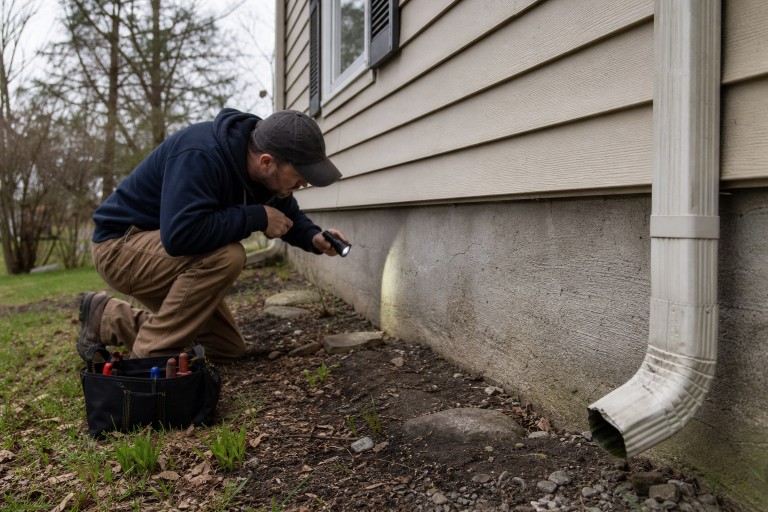
Warm weather increases activity from ants, flies, mosquitoes, stinging insects, spiders, and other pests. Focus on the outdoor conditions that support them. Empty rainwater from planters, toys, tarps, buckets, and other containers after storms or irrigation. Keep grills, patios, outdoor kitchens, trash areas, and recycling bins free of food residue.
Outdoor Prevention Steps
- Trim shrubs, vines, and tree branches away from walls, windows, and rooflines.
- Repair leaking hoses and outdoor plumbing connections.
- Keep garbage containers closed and clean spilled residue promptly.
- Use intact window screens and close doors quickly during busy outdoor periods.
- Check standing-water areas regularly, especially after heavy summer rain.
Fall: Stop Rodents Before They Move Indoors
Fall is a critical time for rodent exclusion because mice and rats seek reliable warmth, food, and shelter. Walk the building exterior and note every opening around utility lines, vents, garage doors, siding, and foundations. Gaps and holes around a home should be sealed with durable materials that rodents cannot easily chew through.
- Repair damaged garage-door seals and vent covers.
- Move cardboard, clutter, brush, and unused nesting materials away from walls.
- Store grain, seed, pet food, and animal feed in sturdy sealed containers.
- Check monitoring devices or traps in locations with prior activity.
- Inspect attics, crawl spaces, and storage rooms before colder weather arrives.
Home and Small-Business Prevention Tasks
Homes benefit from dry, clean kitchens; sealed pantry goods; and regular checks of pet-feeding areas, garages, attics, and basements. Small businesses need those same habits, plus operational consistency. Receiving areas should be kept clean, incoming boxes inspected, and food storage separated from trash and recycling.
Staff should report leaks, droppings, nests, unusual odors, damaged packaging, and pest sightings with the date and exact location. These records can reveal repeat trouble spots that a single observation might not explain. Schedule recurring checks of kitchens, storage rooms, loading zones, utility spaces, and shared walls.
Use Integrated Pest Management
Integrated Pest Management, or IPM, is a layered approach that begins with prevention and informed decisions rather than relying on routine broad spraying. The Integrated Pest Management principles emphasize monitoring, accurate identification, prevention, and the selection of the least-risk, most effective control method when treatment is needed.
- Inspect: Find the pest, likely entry point, and supporting conditions.
- Identify: Confirm what you are dealing with before selecting a treatment.
- Prevent: Reduce food, water, shelter, and access.
- Monitor: Track activity and determine whether it is increasing.
- Treat: Use targeted, label-directed options when necessary.
- Review: Confirm that the issue has stopped and adjust the plan if it has not.
Common Prevention Mistakes
- Using a general spray before identifying the pest.
- Ignoring leaks beneath sinks, near roofs, or around foundations.
- Leaving pet food outdoors or in open bowls overnight.
- Sealing one visible opening while overlooking nearby access points.
- Moving firewood, cardboard, or clutter without checking for pests.
- Stopping inspections after a single quiet week.
- Applying pesticides without reading and following label directions.
When to Seek Professional Help
Professional evaluation may be appropriate when signs persist after cleaning and exclusion work, rodents are active inside walls or ceilings, nests are near entrances or play areas, or possible termite damage is present. It is also important to get help when pests threaten stored food, employees, customers, tenants, pets, or daily operations. Ask for a clear inspection summary, treatment details, safety steps, and prevention recommendations.
A Simple Monthly Checklist
- Inspect doors, windows, vents, and utility openings.
- Look for droppings, gnaw marks, webs, nests, wings, and damaged wood.
- Check indoor and outdoor areas for leaks or standing water.
- Clean food storage, trash, recycling, and pet-feeding spaces.
- Trim vegetation that touches the building.
- Review clutter and complete outstanding repairs.
- Record sightings and follow up before the next inspection.
Final Takeaway
Pest prevention works best as a steady routine. Seasonal inspections, clean storage, moisture control, sealed entry points, and careful monitoring can reduce many common risks before they become major problems. When activity continues or the source remains unclear, a detailed inspection can help identify the next practical step.