
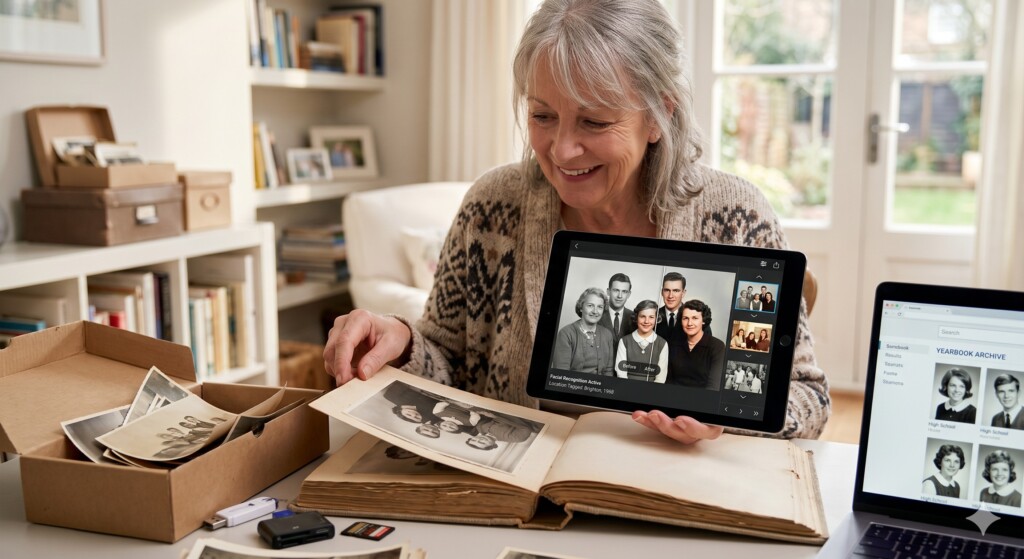
 For many years, old memories were often locked away in dusty photo albums, storage boxes, filing cabinets, or fading yearbooks hidden in lofts and garages. Once something was lost or misplaced, there was a good chance it would never be seen again. Today, technology is changing that completely.
Modern digital platforms, cloud storage, artificial intelligence, and online archives are making it easier than ever for people to reconnect with moments from their past. Whether someone wants to recover family photographs, revisit school memories, or reconnect with former classmates, you can now use technology to transform how personal history is preserved and rediscovered.
Digital Archives Have Made Old Memories Searchable
One of the biggest developments in memory preservation is the rise of digital archives. Massive collections of photographs, newspapers, school yearbooks, and historical records are now being scanned and stored online.
This allows people to find old school pictures and search for memories that would once have required hours of physical research. Instead of visiting libraries or digging through boxes, users can often locate old images and records with just a few clicks.
Digital yearbook archives, in particular, have become increasingly popular because they allow people to:
- Revisit school memories
- Recover lost photographs
- Search by school or graduation year
- Reconnect with former classmates
- Preserve family history
What once felt permanently lost can now often be rediscovered online within minutes.
Artificial Intelligence Is Improving Photo Discovery
Artificial intelligence has also transformed how people search through old photographs and archives. AI-powered tools can now:
- Recognize faces
- Sort images automatically
- Identify locations
- Detect dates
- Improve damaged photographs
- Group similar memories together
This makes large photo collections far easier to navigate. Instead of manually sorting thousands of pictures, users can search by person, location, or event.
AI restoration tools are also helping revive old or damaged images by sharpening blurry details, restoring faded colors, and repairing visual imperfections. This technology is allowing many historical family photographs to feel vivid and usable again.
Social Media Encourages People to Revisit the Past
Social media platforms have played a major role in the rise of online nostalgia. Features like memory reminders, anniversary posts, and archive functions regularly encourage users to revisit older moments from their lives.
People frequently engage with:
- Throwback photos
- School memories
- Childhood trends
- Old friendships
- Past milestones
- Vintage family content
This constant resurfacing of memories has helped create a culture where preserving and revisiting personal history feels more valuable than ever.
At the same time, social media has made it easier for people to reconnect with individuals they may not have spoken to in decades.
Memory Recovery Is Becoming More Collaborative
Technology has also made memory rediscovery far more social and collaborative. Online communities now regularly help people:
- Identify old photographs
- Restore damaged images
- Locate former classmates
- Share historical information
- Rebuild family timelines
Crowdsourced information and community-based archives allow users to piece together details that may have otherwise remained unknown.
In many cases, strangers online help reconnect people with photographs or memories they believed were permanently lost.
Why Rediscovering Memories Matters More Than Ever
As digital life moves increasingly quickly, many people are placing greater emotional value on preserving personal history. Old memories provide a sense of identity, continuity, and connection that can feel grounding in a fast-changing online world.
Technology is making those memories:
- Easier to protect
- Easier to access
- Easier to share
- Easier to restore
- Easier to pass on
What once required physical storage boxes and fading albums can now be preserved digitally for decades to come.