Key Takeaways
- Design luxury homes for the Las Vegas desert, not just for visual appeal.
- Prioritize shade, energy efficiency, durable materials, and water-smart landscaping.
- Evaluate lot orientation, privacy, views, and long-term maintenance before buying or building.
- Create functional indoor-outdoor spaces that remain comfortable throughout the year.
- Invest in quality construction, efficient systems, and flexible layouts to support comfort, resale value, and long-term livability.
Luxury in Las Vegas should do more than look impressive. A truly successful home is designed for intense sun, dry air, dust, dramatic temperature changes, and the realities of water-conscious living. The best properties balance architectural presence with rooms that remain cool, private, comfortable, and easy to maintain. For buyers comparing location, design quality, and long-term fit, Las Vegas Custom Luxury Homes for Sale can be reviewed through Gavin Ernstone’s luxury real estate resource. Gavin Ernstone has served the Las Vegas Valley luxury market for decades, with insight into custom residences in Las Vegas, Summerlin, Henderson, MacDonald Highlands, and other high-end communities. That local perspective can help buyers look beyond finishes and assess privacy, orientation, livability, and future resale appeal.
Luxury Should Work As Well As It Looks
In a desert environment, premium stone, oversized glass, and resort-style outdoor areas only add value when they are supported by thoughtful planning. A home that ignores heat gain, glare, wind, drainage, or maintenance can become costly and uncomfortable regardless of its price point. Desert-smart design starts with the site and carries through to the building envelope, landscaping, technology, and interior layout.
Start With The Lot, Not The Floor Plan
Before choosing a plan, study the lot’s slope, street position, neighboring homes, view corridors, drainage, and access for construction and future service. A smaller lot with protected mountain views, a private approach, and manageable afternoon exposure can be more valuable than a larger lot that faces direct western sun or overlooks future development. Map the sun path and prevailing winds early. Reserve the most exposed sides of the home for garages, storage, utility rooms, or shaded circulation where possible. Place primary living areas where they can capture views without becoming glass boxes that require constant cooling.
Use Architecture To Manage Heat And Glare
Deep roof overhangs, recessed windows, covered walkways, exterior screens, and shaded courtyards reduce direct solar pressure before it reaches the glass. A west-facing great room generally needs more deliberate protection than a north-facing room, especially late in the day when glare can affect comfort and views. High-performance glazing, low-emissivity coatings, thermal breaks, airtight construction, and quality insulation should be treated as foundational investments. The U.S. Department of Energy explains how window technologies and low-emissivity glass can help manage heat transfer while preserving daylight. Large glass walls can still work beautifully, but they need exterior shade, motorized interior treatments, and properly sized climate systems.
Make Indoor-Outdoor Living Useful Year-Round
Outdoor living is a major advantage in Las Vegas, but square footage alone does not create a functional backyard. Divide the exterior into practical zones for dining, lounging, cooking, exercise, and pool use. Covered patios, ceiling fans, layered lighting, fire features, and furniture placed away from harsh reflected heat often matter more than adding another oversized deck. Retractable glass walls can connect the great room to the patio, yet they should close tightly and operate reliably when temperatures rise. Design outdoor kitchens with shade, ventilation, storage, and a sensible path from the interior prep area. Pool decks should include comfortable shaded seating, not simply open paving around water.
Choose Materials That Belong In The Desert
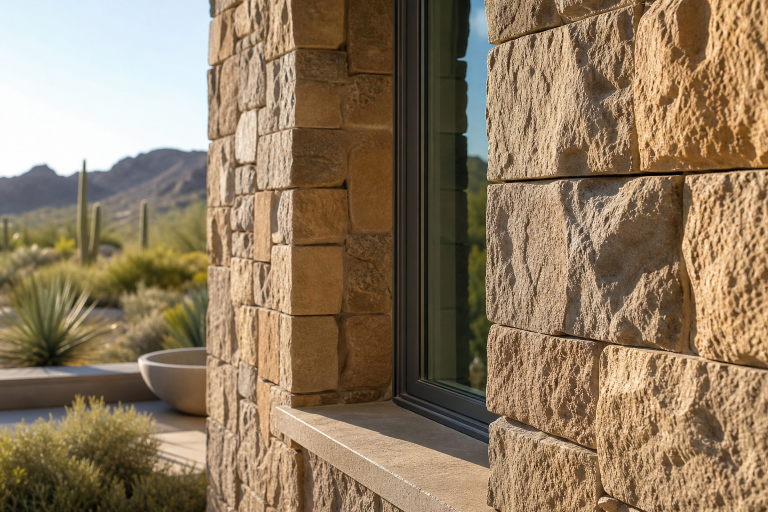
Materials must withstand ultraviolet exposure, heat, dust, and rapid temperature swings. Stone, porcelain, concrete, powder-coated metal, and high-quality composites can offer durability with relatively predictable upkeep. Natural wood and specialty coatings may add warmth, but they require realistic maintenance expectations. Light exterior colors can also reduce heat absorption, while texture and shadow create visual interest without relying on delicate finishes. Site-responsive architecture often feels more timeless because it uses massing, shade, texture, and framed views to relate the home to its surroundings. Rather than making the property compete with the landscape, use materials and proportions that make the desert setting feel intentional.
Treat Water And Privacy As Core Design Elements
Water planning belongs at the first design meeting, not at the end of construction. Use desert-adapted planting, shade trees, drip irrigation, hydrozones, smart controllers, limited decorative turf, and efficient pool equipment. The Southern Nevada Water Authority’s Water Smart Landscapes program is a useful reference for homeowners considering lower-water landscape conversions. A layered planting plan can soften walls, reduce dust, create shade, and improve curb appeal without making the property feel sparse. Privacy should also be designed in layers. Courtyards, angled windows, screened patios, planted buffers, private garage entries, and carefully placed walls can block unwanted sightlines while protecting mountain or skyline views. Discreet perimeter lighting, controlled access, integrated cameras, and secure package areas improve security without making the home feel defensive.
Add Wellness And Technology That Support Daily Routines
Today’s luxury features are most valuable when they are easy to use. A fitness room, sauna, steam shower, cold-plunge area, meditation space, or quiet garden should support an existing routine rather than serve as a rarely used display room. Natural light, sound control, clean indoor air, and dependable temperature control often improve wellness more than elaborate equipment. Technology should fade into the background. Plan equipment rooms, wiring pathways, strong network coverage, and service access during construction. Prioritize multi-zone HVAC, air filtration, leak detection, backup power planning, energy monitoring, automated shades, irrigation controls, and unified security systems. Reliable infrastructure is more valuable than a house full of visible smart devices.
Plan Kitchens For Hosting And Everyday Life
A well-designed luxury kitchen can remain calm during entertaining while still supporting serious cooking. A show kitchen paired with a prep kitchen or scullery separates presentation from cleanup, catering, and storage. Include durable work surfaces, effective ventilation, pantry capacity, beverage stations, and clear circulation around the island. The goal is not two kitchens for appearance alone. It is a layout that works when guests arrive.
Connect Comfort To Long-Term Value
Resale value depends on location, condition, construction quality, and usability, not merely square footage. Future buyers often appreciate flexible offices or guest suites, low-maintenance landscaping, strong indoor-outdoor connections, private parking, storage, efficient mechanical systems, and durable finishes. Avoid over-customizing rooms for highly personal hobbies when a flexible space could serve more households.
A Practical Planning Sequence
- Define how the household will use the home every day.
- Evaluate views, sun exposure, privacy, drainage, access, and nearby development.
- Set a realistic budget for construction, furnishings, systems, and maintenance.
- Prioritize building performance before decorative upgrades.
- Design interior and exterior rooms together.
- Confirm service access for HVAC, technology, pools, and landscaping.
- Test the floor plan against guests, deliveries, aging in place, and changing family needs.
Frequently Asked Questions
What Makes A Luxury Home Desert-Smart?
A desert-smart home responds to sunlight, heat, dust, water limits, and privacy through its site plan, materials, landscaping, windows, shading, and mechanical systems.
Are Large Windows A Good Choice In Las Vegas?
Yes, when orientation, high-performance glass, exterior shading, airtight installation, and cooling capacity are planned together.
Which Outdoor Features Provide The Most Daily Value?
Covered seating, shaded dining, practical lighting, comfortable airflow, efficient pool areas, and outdoor cooking zones typically offer more everyday value than decorative features alone.
Should Every Luxury Home Have A Wellness Room?
No. A flexible fitness or recovery room is often more useful than a specialized space that does not match the owner’s habits.
Conclusion
A refined Las Vegas home should feel calm in every season. By treating the desert as a design guide, owners can create a residence that protects comfort, privacy, maintenance needs, and long-term value without sacrificing beauty. Thoughtful choices such as drought-tolerant landscaping, energy-efficient materials, effective shading, and durable outdoor features can improve everyday living while reducing upkeep. Designing with the local climate in mind also helps preserve the home’s appearance and performance through intense summer heat and changing weather conditions. Whether building, renovating, or updating an existing property, balancing style with practicality creates a home that remains comfortable, efficient, and visually appealing for years to come.