Table of Contents
- Start With The Land, Not The Interior Finishes
- Separate Real Views From Temporary Views
- Compare Location By Daily Use, Not Prestige Alone
- Look Past Square Footage
- Evaluate Construction, Condition, And Renovation Risk
- Build A Better Comparable-Sales Review
- Read Market Data With Care
- Include Ownership Costs In The Value Test
- A Five-Minute Property Comparison Checklist
- Questions To Ask Before Making An Offer
- Conclusion: Value Is More Than A Number
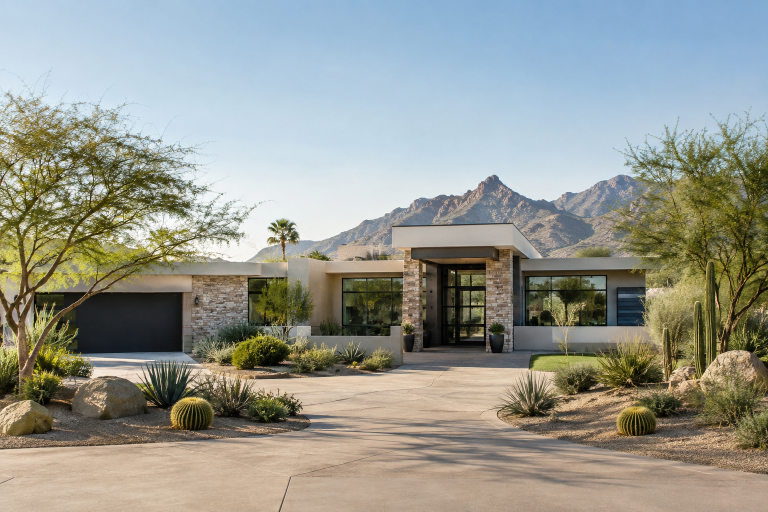
In Paradise Valley, Arizona, the list price is an important starting point, but it is not a complete measure of value. Two homes with similar prices, bedroom counts, or interior square footage can offer dramatically different ownership experiences because the land, privacy, views, architecture, condition, and future options are rarely identical.
Buyers reviewing homes for sale in Paradise Valley AZ, can use Clayton Wolfe’s searchable listings resource to compare active properties in this distinctive luxury market. Clayton Wolfe serves Paradise Valley and Scottsdale buyers and sellers, with a focus on higher-end homes where parcel characteristics, mountain settings, and property condition often matter as much as the home itself.
Start With The Land, Not The Interior Finishes
Fresh finishes can be appealing, but land is often the feature a buyer cannot recreate later. In a community known for custom homes, private drives, and desert-and-mountain surroundings, the parcel can shape both daily living and future resale appeal.
Review the lot size, shape, access points, driveway placement, neighboring homes, and usable outdoor areas. A large parcel is not automatically better if much of it is steep, constrained, exposed to noise, or difficult to improve. Conversely, a dated house on a well-positioned lot may offer meaningful long-term flexibility.
- Confirm setbacks and potential building areas.
- Consider space for a guest casita, pool redesign, garage expansion, or outdoor living additions.
- Look at privacy from adjacent windows, streets, and nearby resorts or commercial activity.
- Ask whether easements, drainage areas, slopes, or utility locations limit plans.
Separate Real Views From Temporary Views
Views of Camelback Mountain, Mummy Mountain, city lights, or desert terrain can affect desirability, but a view has more value when the sightline is likely to remain intact. Do not assume an open parcel, low roofline, or vacant land will stay that way.
Identify the ownership and zoning of property between the home and the view. A buyer should also visit at different times of day. Morning light, afternoon glare, summer heat, nighttime lighting, and the visibility of neighboring homes can change how a view feels in practice.
Compare Location By Daily Use, Not Prestige Alone
Paradise Valley has a strong identity, but individual locations within the town can serve very different lifestyles. One buyer may value a quiet interior street and a deeply private backyard. Another may prioritize easier access to Scottsdale dining, resorts, golf, Phoenix business districts, or Phoenix Sky Harbor International Airport.
Test the location according to how you expect to use the home. Drive key routes during likely travel times, listen for road noise while outside, and consider how comfortably guests, service providers, and family members can enter and leave the property.
Look Past Square Footage
Price per square foot can help organize a comparison, but it should not be the deciding factor. A larger home may include guest quarters, detached structures, oversized garages, storage rooms, or spaces that do not match a buyer’s lifestyle. A smaller home with thoughtful proportions and strong indoor-outdoor flow may function better.
- Compare room layout, ceiling height, natural light, storage, and circulation.
- Verify what is included in the reported square footage.
- Consider whether the kitchen, primary suite, entertaining areas, and outdoor spaces support your intended use.
- Distinguish usable living space from impressive but impractical size.
Evaluate Construction, Condition, And Renovation Risk
A home can look turnkey while still carrying high ongoing costs. Cosmetic work, such as paint, hardware, or landscaping, differs greatly from replacing major systems or correcting drainage and structural issues. Inspections, disclosures, permit records, and contractor input should inform the comparison before an offer is written.
Review the roof, HVAC equipment, electrical and plumbing systems, windows, pool equipment, grading, retaining walls, and drainage. The Town of Paradise Valley’s building department information is also useful when buyers need to understand permitting responsibilities for construction, pools, electrical work, demolition, and other improvements.
Build A Better Comparable-Sales Review
A useful comparable-sales review starts with homes that a reasonable buyer would have seriously considered instead of the subject property. That usually means matching the same micro-area, property type, lot characteristics, condition, and architectural level as closely as possible.
- Start nearby. Similar streets and mountain settings often matter more than town-wide averages.
- Match condition. Compare renovated homes with renovated homes, and renovation opportunities with similar opportunities.
- Adjust for the land. Privacy, usable acreage, views, and access can outweigh modest differences in size.
- Review recency. Older sales may not reflect current buyer expectations or construction costs.
- Study time on the market. It can provide context about pricing, presentation, and the likely buyer pool.
Read Market Data With Care
Median prices, average prices, and automated estimates can be useful reference points, but luxury-market data can be influenced by a small number of unusually large transactions. Treat broad statistics as context, then return to property-specific evidence.
For each home, compare recent sales, active competition, pending listings, days on market, sale-to-list patterns, and the number of similar properties available. Parcel details can also be verified on the Maricopa County Assessor’s website, helping buyers confirm basic property and map information during due diligence.
Include Ownership Costs In The Value Test
The best purchase is not always the one with the lowest initial price. Estimate property taxes, insurance, utilities, pool service, landscape maintenance, security systems, private-road or community fees, and likely capital improvements. Large outdoor spaces and resort-style amenities can be enjoyable, but they also require ongoing attention.
A Five-Minute Property Comparison Checklist
Use the same checklist for every property you tour:
- List price and likely ownership costs
- Lot size, shape, privacy, and improvement potential
- Interior square footage and functional layout
- Year built, renovation level, and major-system age
- View quality, orientation, and potential protection
- Outdoor living, pool condition, and landscape needs
- Nearby noise, traffic, access, and convenience
- Likely resale audience and current competing inventory
- Permit history, disclosures, and inspection findings
Questions To Ask Before Making An Offer
Is the property priced for the house, the land, or both?
This question helps reveal whether the strongest value lies in existing improvements, location, parcel quality, or redevelopment potential.
Which recent sales are truly comparable?
Ask for sales with similar lot size, privacy, condition, location, and architecture rather than relying on the highest nearby transaction.
Could future construction change the experience?
Review nearby parcels, visible building activity, zoning considerations, and potential impacts on views or privacy before committing.
Conclusion: Value Is More Than A Number
A thoughtful Paradise Valley home comparison considers the entire property: land, setting, design, condition, operating costs, and future flexibility. Buyers who look beyond the list price are better positioned to identify whether a home offers enduring value or makes a strong first impression.