
Key Takeaways
- Data-driven design integrates empirical data into the design process to enhance user experience and business outcomes.
- Emerging trends include AI-augmented analytics, real-time decision intelligence, and the rise of DataOps.
- Successful implementation requires overcoming challenges such as data integration, scalability, and compliance.
- Real-world examples demonstrate significant benefits, including reduced design cycles and improved supply chain efficiency.
Understanding Data-Driven Design
Data-driven design represents a transformative approach in modern product development, using quantitative data to refine and steer creative decisions. By prioritizing user behavior, preferences, and real-world patterns, organizations can move beyond assumptions and deliver solutions that truly resonate with their audiences. The process involves careful analysis of data gathered from diverse sources, allowing design teams to iterate on ideas based on actual performance metrics rather than intuition alone.
The growing adoption of data-driven strategies has proven vital for industries attempting to maximize user satisfaction and boost key performance indicators. Incorporating visually compelling elements, such as the stats UI, into digital products provides intuitive access to complex data, enhancing both user engagement and decision-making accuracy.
Not only does this approach streamline workflows, but it also mitigates the risks associated with traditional design guesswork. Leading companies use data inputs at every phase, from user research and prototyping to A/B testing and live optimization, enabling continuous improvement. This results in products and services that deliver superior usability while achieving tangible business results.
As user expectations continue to evolve and competition intensifies, mastering data-driven design has become a non-negotiable priority. Organizations that excel in integrating data insights into their design processes are better positioned for sustained innovation, increased customer loyalty, and improved profitability.
Emerging Trends in Data-Driven Design
Today’s dynamic landscape is shaped by several emerging trends that are redefining the possibilities of data-driven design:
- AI-Augmented Analytics: Artificial intelligence is transforming the way teams interpret data. Sophisticated algorithms identify patterns and anomalies at a scale and granularity previously unattainable, providing designers with actionable insights and the ability to predict user behaviors well in advance. This fusion of AI with analytics is rapidly becoming an industry standard, as discussed in Design News.
- Real-Time Decision Intelligence: Companies increasingly rely on up-to-the-moment data streams to inform design iterations as products are being used. With access to real-time analytics, teams can implement updates proactively, tailoring the user experience as usage trends develop and challenges emerge.
- DataOps: As organizations grapple with complex and dispersed data environments, DataOps practices are gaining traction. By automating and optimizing data management pipelines, DataOps enables faster, more reliable delivery of data insights to design teams, as Design News highlights.
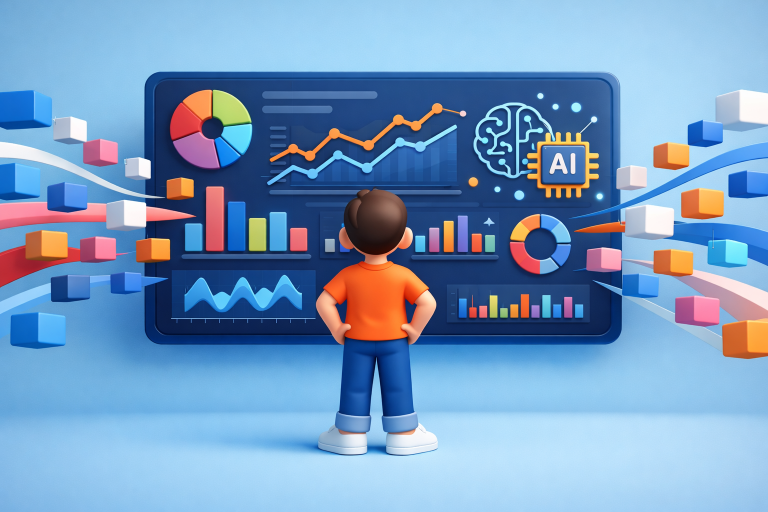
Challenges in Implementing Data-Driven Design
Despite the advantages of data-driven design, organizations face several common obstacles on the road to successful adoption. Design News highlights the complexity of integrating multifaceted data sources, with challenges spanning technical, organizational, and regulatory domains.
- Data Integration: Sourcing and unifying data from various systems requires advanced infrastructure and skilled personnel. Disparate formats and inconsistent data quality can undermine the accuracy of insights.
- Scalability: Modern businesses accumulate vast quantities of data. Effective design strategies must ensure that analytics frameworks can manage this growth without sacrificing speed or precision.
- Compliance: Adherence to data privacy and security regulations remains paramount as ever-more granular user data is collected. Noncompliance can result in severe financial and reputational consequences.
Real-World Applications and Benefits
Enterprises that harness data-driven design report significant process improvements and competitive growth. By deploying centralized data platforms and embedding analytics into their workflows, leading organizations have reduced design cycle time by 30 to 50 percent. These changes create ripple effects across operations, including enhanced supply chain visibility, swifter product launches, and heightened customer satisfaction. As reported by Design News, the ability to respond to market changes and customer feedback in real time provides a substantial edge.
The construction sector is also seeing tangible benefits, as noted by Design News. Data-centric practices have allowed for more accurate project tracking, resource allocation, and risk mitigation, underscoring the universal value of data-driven design principles.
Best Practices for Data-Driven Design
Sustainable success in data-driven design depends on a set of well-established practices that address both operational and strategic concerns:
- Establish Clear Objectives: Initial planning should include precise definitions of how and why data will be used in the design process. Measurable outcomes keep teams focused and accountable.
- Invest in Quality Data: The reliability of design insights hinges on the accuracy and completeness of underlying data. Employ dedicated teams and advanced tools to maintain data integrity.
- Foster Cross-Disciplinary Collaboration: Bring together design, analytics, engineering, and business experts to ensure diverse perspectives are captured, and insights are actionable.
- Embrace Agile Methodologies: Adopt iterative cycles that support ongoing experimentation and rapid reaction to new data. An agile mindset allows organizations to innovate faster and with greater precision.
Future Outlook
The ongoing convergence of AI, machine learning, and big data promises a future where design decisions are faster, more predictive, and hyper-personalized. As organizations nurture cultures that treat data as a core asset, their ability to anticipate market changes, adapt to user needs, and drive meaningful engagement will be amplified. Staying informed about the latest trends and adhering to proven best practices will remain essential for organizations seeking a competitive advantage in an increasingly digital marketplace.
By continuing to invest in both the technology and human expertise required for effective data-driven design, companies can deliver not only better products but also sustained business growth and resilience in the face of evolving consumer demands.