
Public facilities often support missions that demand far more than standard construction practices. Military installations, secure government offices, emergency response centers, research facilities, and infrastructure projects all require careful planning, dependable coordination, and strict technical standards. Nav Int connects its construction capabilities with these specialized needs by delivering projects built around long-term performance, operational reliability, and client requirements.
Specialized Government Facilities Require More Than Traditional Construction
Government buildings are designed around the work performed inside them rather than appearance alone. A training facility, command center, laboratory, or secure operations building each has different structural, mechanical, electrical, and security expectations. Those differences influence every stage of planning, from site preparation to final commissioning.
Project teams must also account for future operational demands. Space allocation, equipment access, utility capacity, and maintenance needs all affect how the building performs after construction is complete. Government construction succeeds when every design decision supports the mission the facility was created to serve.
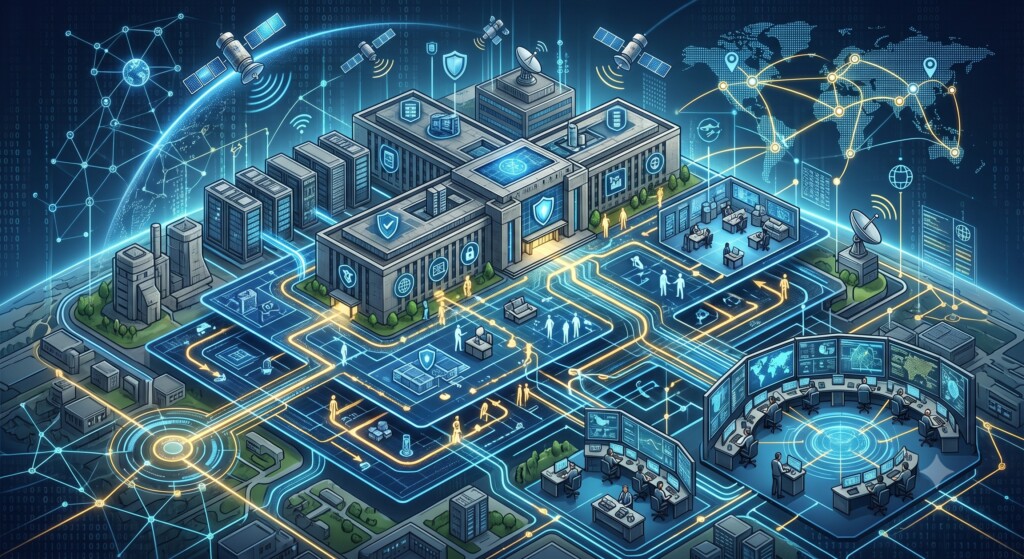
Careful Planning Reduces Challenges Before Construction Begins
Successful projects begin long before equipment reaches the jobsite. Engineers, architects, government representatives, and construction managers review drawings, schedules, technical specifications, and site conditions to identify concerns early. Solving issues during planning helps reduce unexpected delays once work is underway.
Project coordination also improves communication between every discipline involved. Mechanical systems, structural components, electrical infrastructure, and specialty installations often share limited space inside government facilities. Navigator International government construction emphasizes organized planning so these systems work together efficiently throughout construction.
Building Systems Must Support Reliable Daily Operations
Government facilities often operate around the clock. Emergency response centers, military support buildings, communications facilities, and secure offices depend on dependable power, climate control, plumbing, fire protection, and technology infrastructure every day. Those systems must continue performing under demanding operating conditions.
Reliability starts with proper installation and thorough testing. Equipment is carefully integrated so individual systems function together rather than independently. Government construction projects frequently devote significant attention to the mechanical and electrical systems that remain hidden after the building opens.
Security Features Become Part of the Construction Process
Security requirements influence much more than entry doors and fencing. Controlled access areas, reinforced structural elements, communication pathways, surveillance infrastructure, and protected utility systems often become part of specialized government facilities.
These features must blend into the building while supporting daily operations. Construction activities may also follow additional security procedures. Restricted access, background requirements, controlled deliveries, and phased work schedules can all affect project execution.
Nav Int understands how these conditions influence productivity while maintaining compliance with government expectations.
Flexible Designs Help Facilities Serve Future Missions
Government operations continue changing as technology, staffing, and public needs evolve. Buildings designed with adaptable layouts can support future equipment, updated communication systems, additional workspaces, or changing operational requirements without requiring complete reconstruction.
Flexible planning also improves long-term value. Expandable utility systems, accessible service areas, and adaptable interior layouts make future renovations easier while reducing disruption to ongoing operations. These design strategies help facilities remain useful throughout many years of service.
Quality Verification Continues Throughout Construction
Specialized government projects often include detailed inspections during every major phase of construction.
Concrete placement, steel installation, utility connections, equipment testing, and system commissioning may all require documented verification before work progresses. Continuous review helps maintain project quality from beginning to end.
Documentation remains valuable after construction finishes. Inspection records, operating manuals, testing reports, equipment certifications, and maintenance information provide facility managers with reliable references for future operation.
Navigator International government construction recognizes that organized documentation supports long-term building performance.
Experienced Project Management Keeps Complex Work Organized
Large government projects involve many specialized contractors working simultaneously. Structural crews, electricians, mechanical installers, technology specialists, security system providers, and finish contractors must complete their work in the correct sequence without interfering with one another. Strong project management helps maintain that balance. Clear scheduling, regular coordination meetings, progress tracking, and timely communication reduce misunderstandings while keeping construction moving toward completion. Government construction benefits from disciplined leadership throughout every stage of the project.
Proven Capabilities Support Specialized Government Construction Projects
Specialized facilities require experience that extends beyond conventional commercial construction. Successful teams understand technical specifications, security requirements, infrastructure coordination, documentation standards, and long-term operational performance.
Every phase contributes to a building that supports public service reliably for years to come. Navigator International combines project management, design-build capabilities, construction management, engineering coordination, infrastructure development, renovation expertise, and global government construction experience to support specialized facilities with confidence.
Organizations seeking dependable solutions for complex government construction projects can rely on Navigator International to deliver practical expertise, disciplined execution, and facilities built to meet demanding operational requirements.