Unexpected leaks often surprise homeowners who thought a roofing problem had already been solved. Water stains can reappear months after service visits, leaving people wondering why the previous work failed. Repeated roof repair issues usually stem from hidden conditions that remained beneath the surface after the original repair was completed.
Surface Patches Often Hide Moisture Still Trapped Below the Shingles
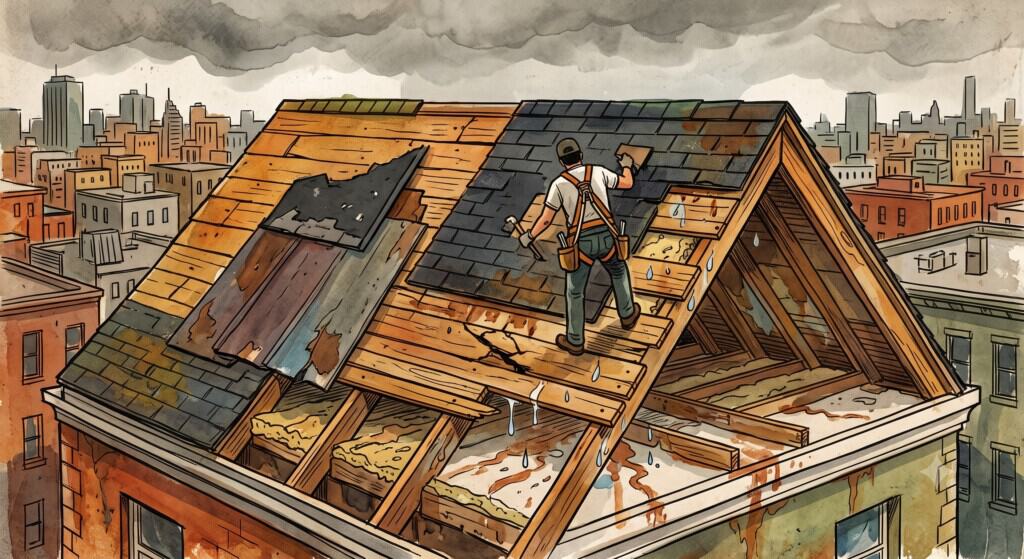
Temporary repairs sometimes address visible damage without examining the materials underneath. New shingles or sealants may cover an area while damp decking, wet underlayment, or deteriorated wood remains hidden below. Experienced Huntsville roofers frequently discover older moisture damage beneath previously repaired sections.
Trapped water continues affecting roofing materials even after the exterior looks complete. Wood may weaken, nails can loosen, and underlayment can deteriorate over time. Homeowners searching for roof repair near me often learn that the returning leak originated below the original repair area.
Water Frequently Travels Far From the Actual Entry Location
Roof leaks rarely appear directly beneath the damaged section. Rainwater can move along decking, rafters, or insulation before reaching ceilings and walls. A roof repair company must trace moisture patterns rather than relying only on visible interior stains.
Attic conditions often reveal these hidden pathways. Small openings around flashing, valleys, or penetrations may allow water to enter several feet away from the visible damage. Huntsville roof repair specialists regularly inspect surrounding areas to identify the true source.
Aging Roofing Materials May Fail Around Newly Repaired Sections
New materials sometimes connect to older roofing components that have already weakened with age. Shingles surrounding a repair may become brittle, lose granules, or experience reduced flexibility. Certain roof repair projects succeed temporarily because adjacent materials continue deteriorating.
Weather exposure can accelerate these problems. Sunlight, temperature changes, and storm activity affect older sections differently than newly installed materials. Many roofing near me inspections reveal that surrounding areas have reached the end of their useful life.
Flashing Problems Often Return After Sealants Wear Away
Sealants can provide short-term protection around chimneys, vents, and wall intersections. However, flashing problems often involve loose metal, improper installation, or movement between building materials. Huntsville roofers commonly find recurring leaks where sealants were applied without correcting the underlying issue.
Expansion and contraction place additional stress on these areas. Seasonal movement may reopen small gaps around flashing systems even after repairs appear successful. Long-term roof repair solutions frequently require replacing damaged flashing components rather than adding additional sealant.
Ventilation Issues Can Shorten the Life of Previous Repairs
Attic conditions influence roofing performance more than many homeowners realize. Excessive heat and trapped moisture can affect shingles, underlayment, and decking from below. A roof repair company may identify ventilation problems that contribute to repeated roofing failures.
Poor airflow can also accelerate aging around repaired sections. High attic temperatures cause roofing materials to expand and contract more frequently. Certain Huntsville roof repair projects include ventilation improvements to help protect previous repairs from future damage.
Storm Damage May Affect Nearby Areas That Were Never Inspected
Wind and hail often damage multiple sections during a single weather event. Contractors who focus only on visible problems may overlook nearby damage that develops later. Experienced Huntsville roofers inspect larger roof areas to identify additional concerns.
Minor storm damage can remain hidden for months before becoming noticeable. Lifted shingles, loose fasteners, and damaged flashing may gradually worsen after the initial repair. Many homeowners seeking roof repair near me discover that a second issue existed all along.
Structural Movement Can Reopen Previously Repaired Areas
Homes naturally settle and shift over time. Roof framing, decking, and supporting structures may experience slight movement that affects repaired sections. Certain roof repair issues return because structural changes alter the roofing system above.
Temperature changes also contribute to movement throughout the roof assembly. Metal flashing, wood decking, and shingles expand at different rates during seasonal weather cycles. In some situations, recurring problems may indicate that roof replacement deserves consideration.
Thorough Investigations Produce Longer-Lasting Roofing Solutions
Successful repairs depend on identifying the reason the damage occurred rather than simply covering the visible problem. Fleming Roofing performs detailed inspections that evaluate moisture patterns, ventilation, flashing conditions, and surrounding roofing materials before recommending repairs. For homeowners considering roof repair, roof replacement, or searching for a dependable roof repair company, Fleming Roofing provides experienced evaluations that help prevent recurring problems and support longer-lasting roofing performance.